

Understanding the Core Profiles
When building or sourcing for a commercial photovoltaic project, choosing the right solar DC cable specification can make or break your system’s long-term ROI. The industry frequently pits two major standards against each other: PV1-F and H1Z2Z2-K. While both serve as the circulatory system of a solar array, their engineering profiles cater to very different regulatory eras and performance demands.
What is PV1-F Solar Cable?
The PV1-F solar cable is a traditional, widely recognized photovoltaic wire that has long been the workhorse of older solar installations. Originally developed under the TÜV 2 PfG 1169 German standard, this cable features a flexible tinned copper solar conductor insulated with a cross-linked polyolefin insulation (XLPO) layer.
- Design Baseline: It was engineered primarily for 1000V DC systems.
- Market Position: While highly cost-effective and perfectly adequate for legacy residential or low-voltage setups, it represents an older tier of photovoltaic wire wholesale supply.
- Limitation: It lacks the upgraded European and international harmonized ratings required by modern high-output utility grids.
What is H1Z2Z2-K Solar Cable?
The H1Z2Z2-K cable represents the modern evolution of European standard EN 50618 solar cable and international IEC 62930 solar cable requirements. As the new industry baseline for utility-scale deployment, this next-generation wire is specifically designed to handle the rigorous demands of a modern 1500V DC solar wire architecture.
- Advanced Insulation: Unlike older variations, it utilizes a mandatory dual-layer insulation vs single-layer or legacy cross-linked polyolefin insulation (XLPO) design that features Low Smoke Zero Halogen (LSZH) properties.
- Enhanced Safety: It delivers vastly superior UV and ozone resistance, higher mechanical impact protection, and strict compliance with modern global photovoltaic system safety codes.
- Future-Proofing: It is engineered for the higher voltages and harsher environmental stresses that 1000V cables simply cannot sustain over a 25-year lifespan.
PV1-F vs H1Z2Z2-K Solar Cable: Technical Parameters Side-by-Side
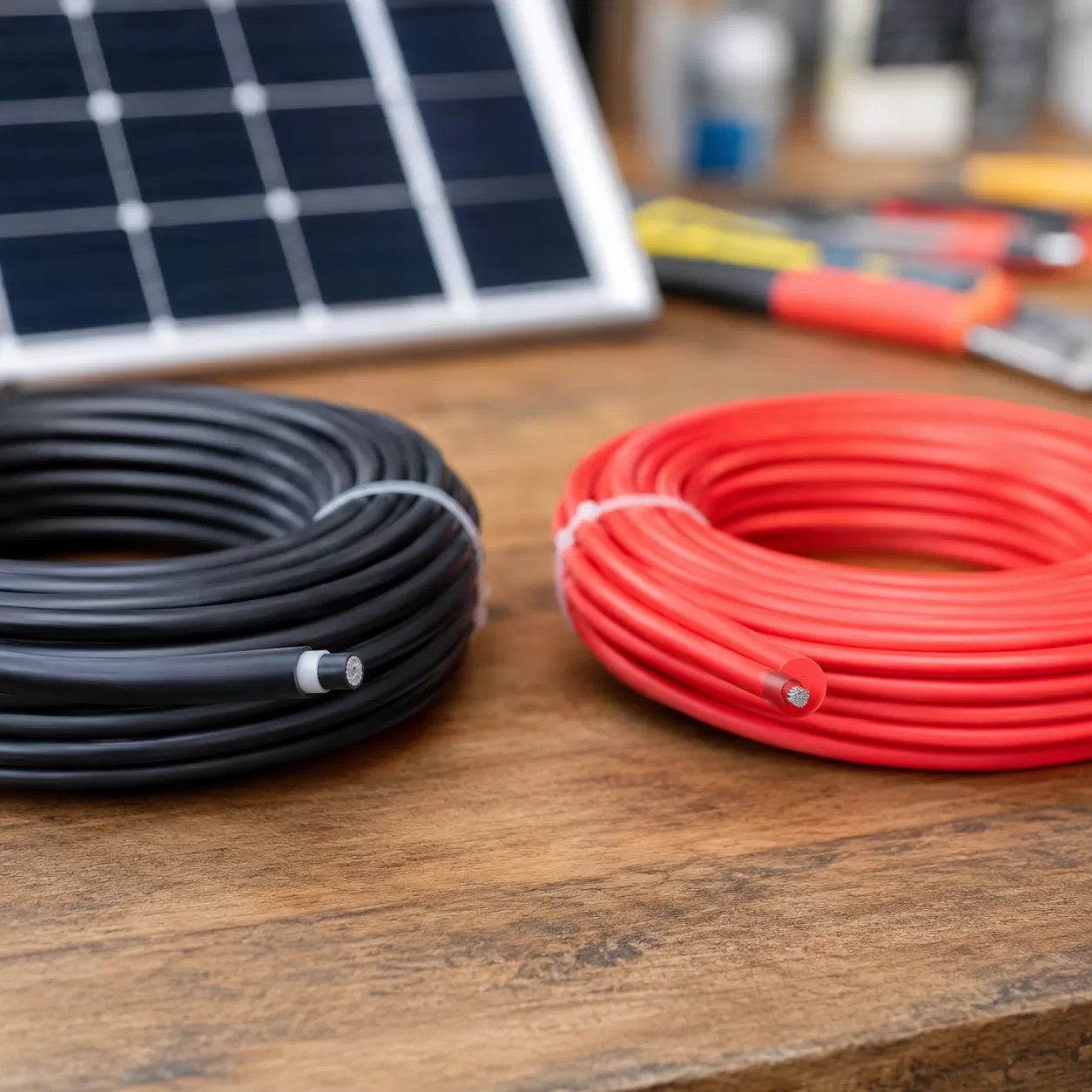
When comparing the legacy PV1-F solar cable to the newer standard H1Z2Z2-K cable, the technical upgrades impact how your solar array performs over time. Here is the direct breakdown of how these two options handle voltage, structural stress, and extreme heat.
Voltage Ratings & Power Transmission Efficiency
The shift in US commercial and utility-scale solar is moving rapidly toward higher voltage systems to minimize power line losses. The older PV1-F solar cable design tops out at an operating voltage of DC 1.0kV. In contrast, the standard EN 50618 solar cable, also known as H1Z2Z2-K, is rated for 1500V DC solar wire applications.
By upgrading to a 1500V DC solar wire, you can string more panels together in a single run, reducing the number of combiner boxes needed and cutting overall balance-of-system (BOS) costs.
| Technical Parameter | PV1-F Solar Cable | H1Z2Z2-K Cable (EN 50618 / IEC 62930) |
|---|---|---|
| Rated DC Voltage | 1.0 kV DC | 1.5 kV DC |
| Maximum Permissible DC Voltage | 1.8 kV DC | 1.8 kV DC (Built to stricter safety margins) |
| AC Voltage Rating | 0.6/1.0 kV AC | 1.0/1.0 kV AC |
Structural Integrity & Insulation Profiles
The physical build of these cables dictates how well they survive pulling through conduit or resting on sharp rack edges. While both utilize a tinned copper solar conductor for internal wiring, the magic happens in the protective outer layers.
- PV1-F Insulation: Typically uses a standard single or basic dual-layer cross-linked polyolefin insulation (XLPO). It gets the job done for basic rooftop setups but lacks heavy mechanical armor.
- H1Z2Z2-K Insulation: Features a specialized, reinforced dual-layer insulation jacket. This design provides significantly higher resistance to mechanical impacts, crushing forces, and abrasions during tough field installations.
Thermal Limits & Flame Retardancy
Solar fields face brutal ambient heat and unexpected electrical surges. Both cable types handle a maximum conductor operating temperature of 120°C for short periods, but their safety profiles during a fire are vastly different.
- Ambient Temperature Range: Optimized for stable performance from -40°C to +90°C.
- Flame Retardancy: H1Z2Z2-K is formulated as a Low Smoke Zero Halogen (LSZH) material. If a fire occurs, it will not emit toxic halogen gases or thick black smoke, keeping your installation compliant with strict local photovoltaic system safety codes. PV1-F cables often lack these advanced self-extinguishing and low-smoke properties.
Environmental Resistance & Mechanical Durability
UV and Ozone Degradation
Solar arrays face intense sunshine and harsh outdoor weather every single day. While the older PV1-F solar cable holds up decently well under standard UV exposure, it simply cannot match the advanced weathering profile of modern EN 50618 solar cable standards.
The newer H1Z2Z2-K cable features a highly upgraded, UV-stabilized jacket explicitly designed to resist ozone cracks and long-term solar radiation. In the United States market, where regional climates swing from scorching desert heat to freezing northern winters, choosing a cable with superior UV and ozone resistance prevents premature jacket cracking and eliminates costly maintenance truck rolls down the line.
Moisture, Hydrolysis, and Direct Burial Limits
Moisture is a silent killer for photovoltaic systems. When water pools in conduits or trenches, standard PV1-F cables can suffer from hydrolysis—where moisture breaks down the insulation over time.
- PV1-F Limitations: Best kept in dry or well-drained conduits; vulnerable to prolonged water submersion.
- H1Z2Z2-K Advantage: Built with a specialized cross-linked polyolefin insulation (XLPO) that delivers top-tier hydrolysis resistance.
- Direct Burial Solar Cable Rating: While neither cable is universally rated for continuous submersion without proper conduit, the H1Z2Z2-K construction handles damp environments and temporary water logging much better, making it the safer bet for underground runs in high-moisture US regions.
Conductor Chemistry: Tinned Copper Advantage
At the core of every reliable solar DC cable specification is the conductor material. Both of these cables utilize a high-quality tinned copper solar conductor rather than bare copper.
Using tinned copper provides two massive benefits for long-term project durability:
- Corrosion Prevention: The thin tin coating shields the copper from oxidation, which is critical in coastal states with high salt-fog or humid agricultural zones.
- Easy Termination: Tinned copper maintains excellent solderability and contact integrity over a 25-year operational lifespan, preventing hot spots and keeping power losses at bay.
Comparative Technical Reference Matrix
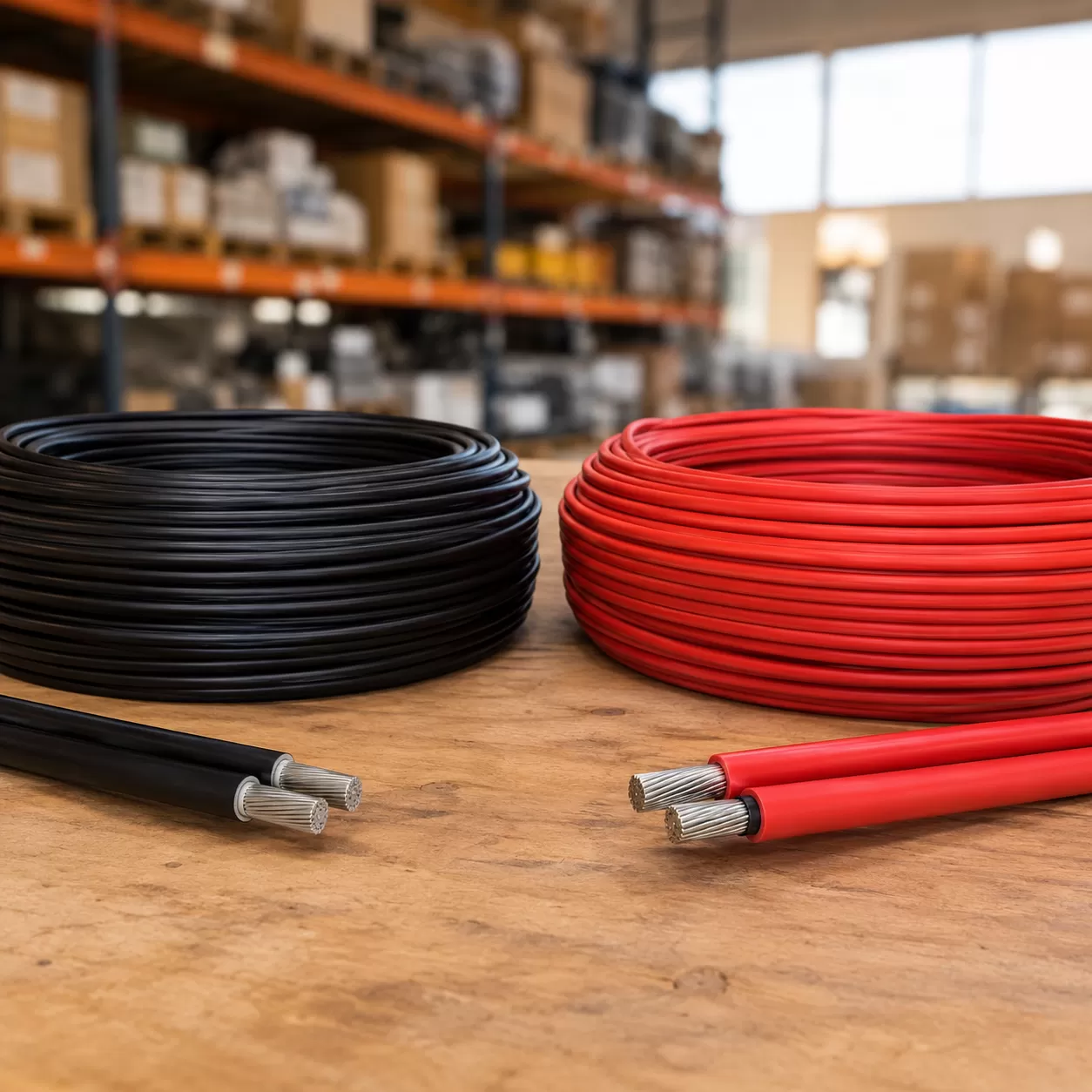
When sourcing components for utility-scale arrays or residential setups in the US, comparing the data sheets side-by-side cuts through the marketing noise. The transition from the older TÜV 2 PfG 1169 standard to the modern EN 50618 and IEC 62930 mandates represents a major shift in safety and durability.
The technical reference matrix below highlights the core differences between PV1-F solar cable and H1Z2Z2-K cable to help you make the right call for your project layout.
| Technical Parameter | PV1-F Solar Cable | H1Z2Z2-K Cable |
|---|---|---|
| Standard Compliance | TÜV 2 PfG 1169 | EN 50618 / IEC 62930 |
| Rated DC Voltage | 1000V DC solar wire | 1500V DC solar wire |
| Max Permissible DC Voltage | 1.5kV DC | 1.8kV DC |
| Insulation Material | Cross-linked polyolefin insulation (XLPO) | Advanced XLPO (Low Smoke Zero Halogen) |
| Jacket Material | XLPO (Single or dual-layer) | Dual-layer insulation XLPO (LSZH) |
| Conductor Type | Tinned copper solar conductor (Class 5) | Tinned copper solar conductor (Class 5 flexible) |
| Water Resistance | Standard moisture resistance | High resistance (Suitable for direct burial solar cable rating) |
| Expected Service Life | 25 Years | 25 Years (With stricter aging test metrics) |
| Common Sizes | 4mm2 and 6mm2 solar cable | 4mm2 and 6mm2 solar cable |
Choosing the right solar DC cable specification ensures your system meets current photovoltaic system safety codes. While PV1-F has served the industry well for years, H1Z2Z2-K is built to handle the higher voltage and harsher environmental demands of modern 1500V solar project procurement.
Project Procurement: Which Should You Specify?
Choosing between PV1-F vs H1Z2Z2-K comes down to your project’s location, regulatory framework, and system voltage. As US buyers navigate global supply chains and local solar DC cable specification needs, making the right call directly impacts project sign-off and long-term safety.
When is PV1-F Still Acceptable?
The PV1-F solar cable, originally certified under the older TÜV 2 PfG 1169 standard, is still a reliable workhorse for specific applications. It is completely acceptable to specify PV1-F in the following scenarios:
- Legacy System Repairs: Replacing or maintaining existing lines in older setups that were originally built using PV1-F.
- Off-Grid and Small-Scale Projects: Budget-conscious, residential off-grid systems or DIY solar setups that do not face strict commercial inspections.
- Low-Voltage Installations: Systems strictly limited to 1000V DC or below where international harmonized standards are not legally mandated.
- Cost-Driven Markets: Regional projects outside strict European or updated US utility jurisdictions where the photovoltaic wire wholesale price is the primary driving factor.
When is H1Z2Z2-K Mandatory?
For modern, utility-scale installations and strict compliance, the H1Z2Z2-K cable is non-negotiable. This standard is mandatory for:
- 1500V DC Solar Wire Requirements: Modern utility-scale farms leverage higher voltages to reduce transmission losses. H1Z2Z2-K is explicitly rated for 1500V DC operational safety.
- Compliance with International Codes: Any project requiring strict adherence to the EN 50618 solar cable or IEC 62930 solar cable standards to pass engineering audits.
- Harsh Environmental Conditions: Projects demanding superior dual-layer insulation vs single-layer designs to withstand severe UV exposure, moisture, and potential direct burial limits.
- Strict Photovoltaic System Safety Codes: Commercial and municipal contracts where Low Smoke Zero Halogen (LSZH) properties and enhanced flame retardancy are required by local building inspectors.
Critical Purchasing Tips for Solar Buyers
Calculating Cross-Sectional Adequacy
Choosing between PV1-F vs H1Z2Z2-K is only half the battle; you also need to size your solar DC cable specification correctly to prevent voltage drop and power loss. In the United States market, while we often talk in AWG, commercial projects heavily rely on metric standards like 4mm2 and 6mm2 solar cable sizes.
To ensure cross-sectional adequacy, always calculate your run lengths with a target voltage drop of under 2%. Under-sizing your wire forces the system to run hot, degrading the cross-linked polyolefin insulation (XLPO) over time and risking safety violations under local photovoltaic system safety codes.
Verification Checklist
Do not take a distributor’s word at face value. When sourcing an EN 50618 solar cable or an older PV1-F solar cable, use this checklist to verify compliance before cutting a purchase order:
- Standards Stamping: Ensure the cable jacket is clearly printed with EN 50618 (for H1Z2Z2-K) or TÜV 2 PfG 1169 (for PV1-F).
- Voltage Certification: Verify the print reads 1500V DC solar wire rating for modern high-voltage arrays.
- Material Check: Confirm the use of a tinned copper solar conductor rather than bare copper to prevent oxidation.
- Safety Ratings: Ensure the jacket specifies Low Smoke Zero Halogen (LSZH) properties for fire safety.
Managing Vendor Traceability
When hunting for the best photovoltaic wire wholesale price, traceability is your safety net against counterfeit goods. Low-quality imports often use inferior plastics instead of true dual-layer insulation vs single-layer protection.
Always demand a factory test report and a valid TÜV or IEC 62930 solar cable certificate matching the exact batch number of your delivery. Maintaining strict vendor traceability protects your investment, ensures compliance during site inspections, and guarantees that your H1Z2Z2-K cable will actually survive decades of harsh UV and ozone resistance in the field.
If you need technical support or batch documentation before placing an order, you can contact KingForYou Cable to confirm the right cable specification for your solar project.


